


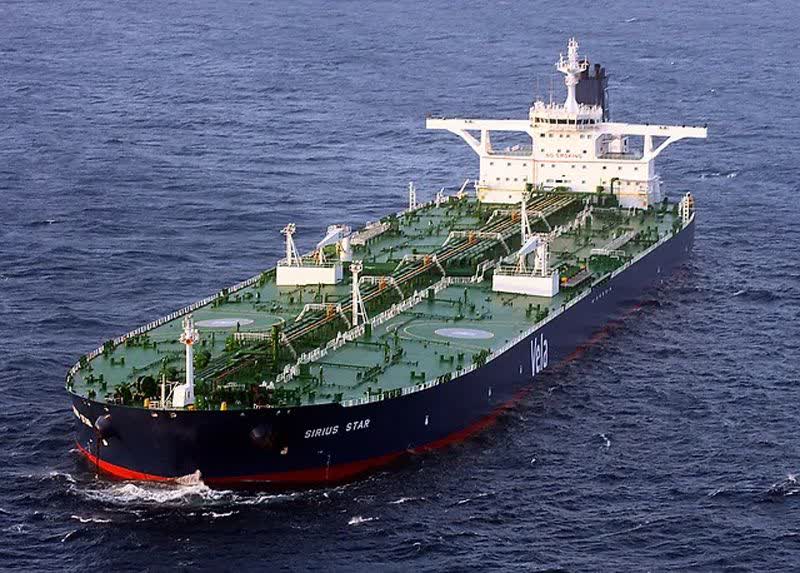
Tanker Market Surges Amid Tightened Sanctions and Strong Global Oil Demand
The tanker market has experienced a remarkable upswing in recent months, driven by a combination of tighter enforcement of international sanctions, resilient global oil demand—particularly fueled by strategic stockpiling in China—and increased production from OPEC+ members. Limited growth in tanker fleet capacity throughout 2024 and 2025 has further tightened the supply-demand balance, rendering freight rates extremely sensitive to even minor fluctuations in ton-mile demand. As a result, freight rates have reached levels not seen since the early days of the pandemic, generating robust cash flows for shipowners and significantly boosting their confidence in fleet expansion and renewal plans.
Following a period of relatively modest contracting in 2021 and 2022, new tanker orders surged sharply in the wake of Russia’s invasion of Ukraine. The Aframax, LR2, and Suezmax segments have been the main beneficiaries of disrupted global trade patterns, seeing particularly strong demand. Meanwhile, orders for Very Large Crude Carriers (VLCCs) tripled in 2024, although newbuilding activity has slowed somewhat in 2025. Despite this slowdown, the global tanker orderbook now accounts for roughly 16% of the existing fleet, and industry reports suggest that additional orders for large crude carriers are already in the pipeline, signaling continued optimism among owners.
The tanker ordering market is inherently cyclical and heavily influenced by short-term earnings as well as owners’ expectations for future market conditions. While high freight rates and the aging profile of the existing fleet make a compelling case for new investments, the outlook remains fraught with uncertainty. A significant portion of older vessels currently operates in the lucrative “dark fleet,” serving sanctioned trade routes, and only some of these ships are likely to be scrapped once sanctions are lifted. This dynamic adds an additional layer of complexity to fleet planning and market forecasting.
Analysts warn that while current market optimism is driving newbuilding activity, excessive ordering could potentially lead to oversupply in the future if market conditions shift. The balance between capturing immediate high returns and avoiding long-term market saturation has become a critical consideration for shipowners navigating the current bullish environment.
Overall, the combination of strong freight rates, limited fleet expansion, and shifting trade patterns has created a highly favorable environment for tanker owners in the short term. Yet, the market’s cyclical nature and dependency on geopolitical developments mean that prudent investment strategies and careful monitoring of future demand will be essential to sustain profitability in the years ahead.
website : www.sbb-co.org
email address : jobs@sbb-co.org
phone number : 00989365947495
Comments (0)
Leave a Comment
No comments yet. Be the first to comment!