


Maersk Begins Trials of Brazilian Ethanol Blend to Reduce Maritime Emissions
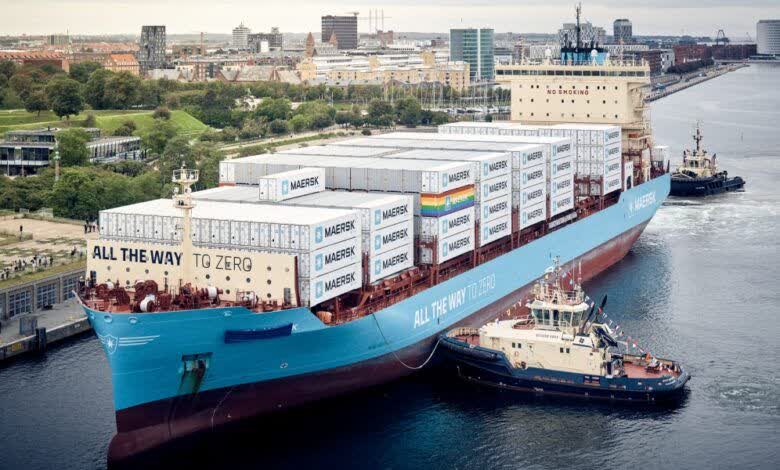
Maersk Begins Trials of Brazilian Ethanol Blend to Reduce Maritime Emissions
Danish shipping giant A.P. Moller – Maersk has officially launched trials of a new alternative fuel blend for its large container vessels. The fuel mix combines Brazilian ethanol, methanol, and conventional marine diesel, commonly referred to as “bunker fuel.” This initiative forms part of Maersk’s ongoing efforts to explore cleaner fuel options and reduce greenhouse gas emissions across its global fleet, which operates on some of the busiest shipping routes in the world. The trials are aimed at evaluating the performance, operational efficiency, and emissions reduction potential of the fuel blend in Maersk’s high-powered two-stroke engines.
The current blend under trial contains approximately 10% ethanol, with the remainder consisting of methanol and standard marine diesel. If this fuel proves successful and is implemented fleet-wide, Maersk estimates that global demand for ethanol could reach up to 50 billion litres annually, providing a substantial boost to the biofuel market and signaling a potential shift in maritime energy sources. The trials are considered among the largest uses of ethanol-based marine fuel in shipping history.
Maersk currently handles around 15% of global maritime shipping traffic, which gives these trials considerable weight within the industry. The company emphasized that Brazilian ethanol was selected due to its sustainable production methods. The ethanol is sourced either from sugarcane plantations or, in the case of corn-based ethanol, from agricultural fields cultivated in rotation with soybeans. These production practices are designed to minimize deforestation, ensure environmental sustainability, and comply with international standards for biofuel sourcing.
The testing phase is scheduled to run until 23 October 2025. If the trials are successful, Maersk plans to negotiate with major Brazilian ethanol producers, including Raízen, Copersucar, Inpasa, and Atvos, to secure large-scale supply for its international fleet. Ensuring consistent quality and supply is considered critical for the long-term viability of this initiative, particularly given the scale and operational demands of Maersk’s global shipping network.
During the trials, Maersk’s engineers will closely monitor a wide range of operational metrics. These include engine performance, fuel consumption, emissions levels, and maintenance requirements. The company is collaborating with fuel suppliers and engine manufacturers to ensure compatibility across various vessel types, from ultra-large container ships to smaller feeder vessels, while maintaining the highest safety standards. The company is also tracking the blend’s behavior under different operating conditions, including variable loads, long-duration voyages, and extreme weather scenarios, in order to fully understand its performance in real-world maritime operations.
According to Maersk, the ethanol-methanol blend could serve as a transitional solution while the shipping industry explores longer-term, fully carbon-neutral alternatives such as ammonia, hydrogen, or fully electric propulsion systems. The company aims to refine fuel mixtures that can reduce carbon intensity while still delivering the reliability, efficiency, and operational flexibility required for global container shipping operations.
The trials are part of Maersk’s broader strategy to integrate sustainable practices into maritime logistics. By testing biofuel blends at scale, the company is gathering critical insights that could inform fuel policy, engine design, and operational planning across the industry. The results may also influence future regulations and standards for shipping emissions, as more companies look to reduce their environmental footprint.
In addition to performance and emissions metrics, the trials will assess practical considerations such as fuel handling, storage requirements, and blending consistency. Maersk’s collaboration with engine manufacturers and fuel suppliers ensures that the fuel can be safely integrated into existing vessel systems without compromising operational safety or efficiency. The company is documenting the process extensively to create a blueprint for broader adoption of ethanol-based fuels in commercial shipping.
Through these efforts, Maersk continues to lead the shipping industry’s transition toward more sustainable energy solutions. By exploring the use of ethanol-methanol blends, the company aims to support the wider maritime supply chain in adopting lower-emission fuels, while maintaining the operational standards expected by customers and partners worldwide. These trials mark an important step in the evolution of maritime energy, as companies seek practical pathways to reduce emissions and meet global sustainability goals.
Comments (0)
Leave a Comment
No comments yet. Be the first to comment!